Living Reefs Project Concession
The Valencian Innovation Agency has recently granted Rover Maritime a grant for the implementation of the project “Living Reefs ECOHORMIGÓN PARA ARRECIFES ARTIFICIALES Y OTRAS INFRAESTRUCTURAS MARÍTIMAS” within the program of Strategic Cooperation Projects 2022.
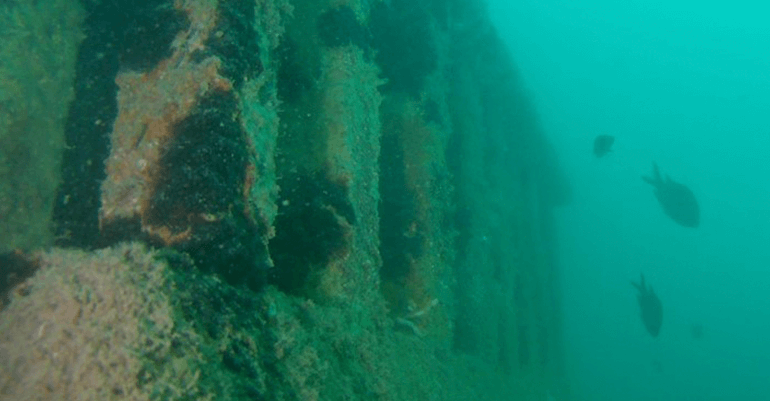
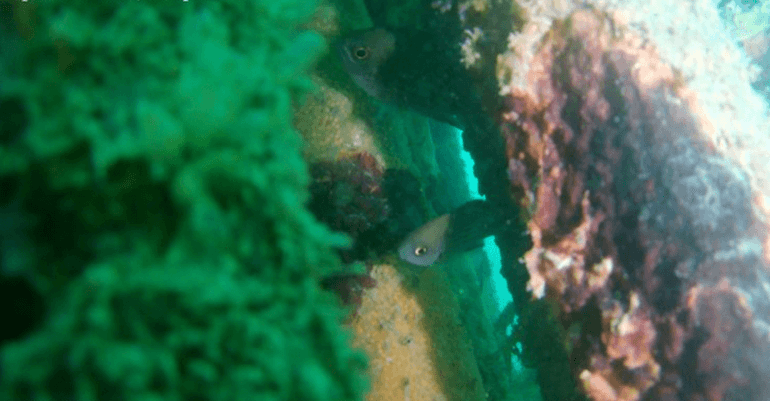
This project continues the line of work started with the Living Ports project, also funded by the Valencian Innovation Agency in 2020, focused on the development of sustainable concrete. specially designed for use in maritime port infrastructure because of their ability to promote the settlement and growth of marine species and thus transform port infrastructure from an inhospitable area with little variety of species to a high-wealth area biological and fully integrated into the natural environment.
Thus, the main objective of this project is the development and validation of an eco-concrete, or sustainable concrete with a dual approach. On the one hand, concrete based on the use of agricultural or industrial by-products and natural materials requiring management. In this way, the variation in its composition will decrease its carbon footprint. On the other hand, concrete enriched with functional nutrients and bacteria to improve the colonization process. This eco-concrete will also meet the requirements for its application in maritime infrastructures.
Once the viability of glass residue to reduce cement content has been verified in the LIVING PORTS project, The feasibility of reusing an agricultural by-product such as rice straw, which is produced in large quantities and for which there are currently no alternatives to reuse, both in its natural state and its ash, will be explored. Another waste, in this case of natural origin and requiring specific management, which has been evaluated are the ashes of the volcano Cumbre Vieja in La Palma (CVLP), available right now in large quantities and on which a certain potential puzolanic is intuited.
In addition, for these maritime infrastructures, the macro designs and surface finishes designed to promote the settlement and growth of marine flora and fauna quickly on the concrete itself will be applied, which were developed at LIVINGPORTS along with the presence of bacteria surface functions that serve the same purpose.
The concrete will be validated in real environment for two different applications or infrastructures:
– Artificial reefs to create protected areas of water in the open sea for aquaculture facilities or to damp the waves.
– Blocks of bulkheads or dikes on the slope.
The project is scheduled to end in September 2024 and has a total budget of around €700,000. IMEDMAR from the Catholic University of Valencia, ICITECH from the Polytechnic University of Valencia are involved. the Department of Engineering Mecànica and Construction of the Jaume I University of Castellón and Advanced Engineering of Maritime Works INGEOMAR, as well as Rover Maritime.