Modeldrone
Currently, topographic surveys, setting‑out, and control tasks are carried out using traditional instruments and methodologies, such as total stations, levels, or GNSS equipment, which require operators to move constantly across the construction site or through areas with high levels of risk. As a result, these tasks are performed manually through point‑based topographic measurements and images, which must later be manually analyzed by specialized personnel to determine the condition of the surface.
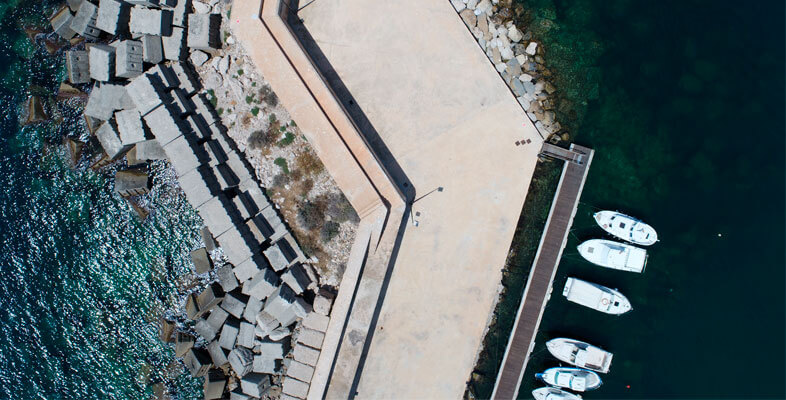
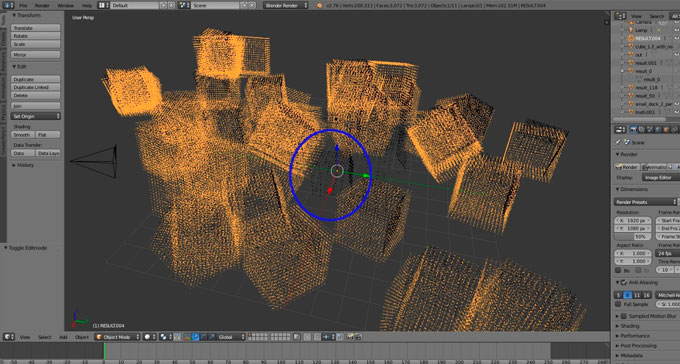
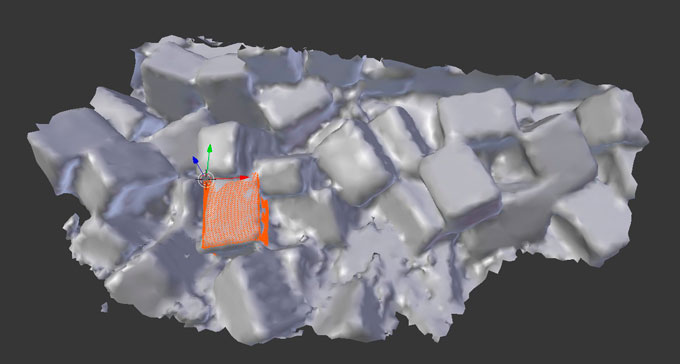
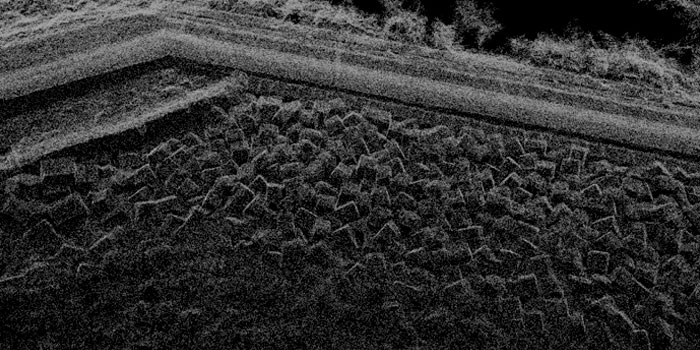
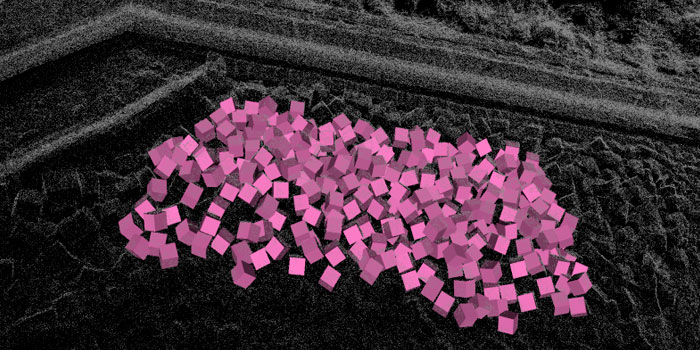
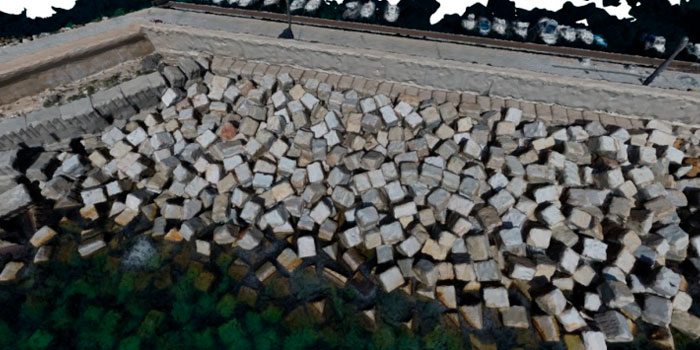
This leads to results that only approximate reality, involve the application of differing criteria, entail a high level of risk during execution, and incur significant costs in order to improve the accuracy of the results obtained. In response, the project has developed a 3D modeling tool called ModelDrone, which incorporates pattern recognition for defined activities or work units, enabling their georeferencing and relative positioning. This tool is based on data captured by drones in the form of georeferenced images, combined with subsequent computational analysis and the associated 3D point cloud.
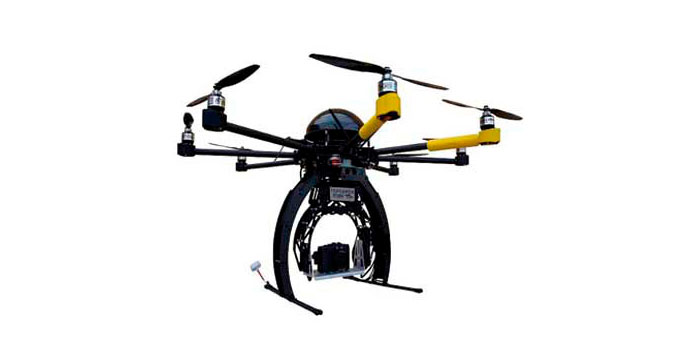
Rover Infraestructuras is accredited by AESA (Spanish Aviation Safety Agency) for the operation of remotely piloted aircraft. The company has a fleet of five drones and seven certified pilots on staff. As an AESA‑approved drone operator, Rover is fully aware of current regulations, which prohibit drone operations in controlled airspace. Therefore, parts of a project located in areas without the required authorization cannot be included in the proposed modeling.