GPR Rail
GPR RAIL is a dynamic monitoring system for assessing the degree of ballast contamination on the track.
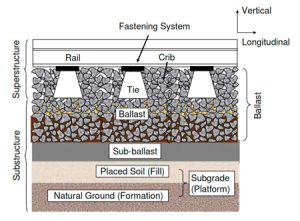
Rail infrastructure is a highly reliable network that requires continuous monitoring to maintain the high levels of safety and comfort demanded by society. These maintenance plans cover all aspects and components of the infrastructure that affect its safety, extend its service life, and ensure operational efficiency, with ballast being one of the primary elements to be inspected.
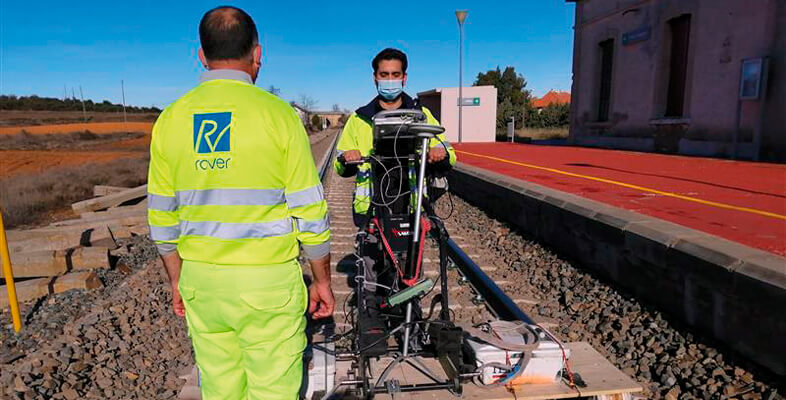
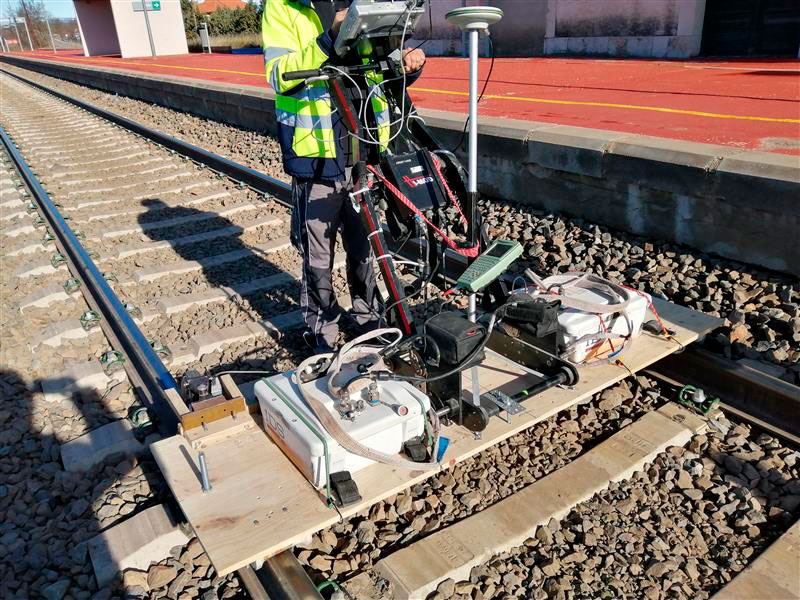
The primary form of deterioration affecting ballast is a complex process known as “fouling,” which reduces its performance and causes track failures of varying severity depending on the degree of fouling. Rover Rail, with its extensive experience in the railway sector, has developed a dynamic inspection technology to determine the degree of ballast compaction. The inspection system is mounted on a track-mounted vehicle and consists of several antennas operating at different inspection frequency bands, which allow for the identification of areas requiring localized intervention and/or posing associated geological risks.