Extension works of Madrid Metro Line 11. Section: Plaza Elíptica – Conde de Casal
The construction of the extension of Madrid Metro Line 11, Section: Plaza Elíptica – Conde de Casal, is a contract awarded to the joint venture (UTE Metro Línea 11) formed by ROVER INFRAESTRUCTURAS, S.A. – ACCIONA CONSTRUCCIÓN, S.A. – DRAGADOS, S.A., including:
- 5 stations
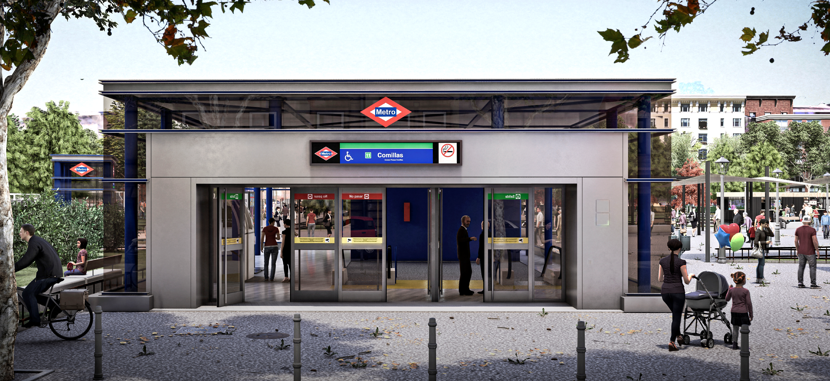
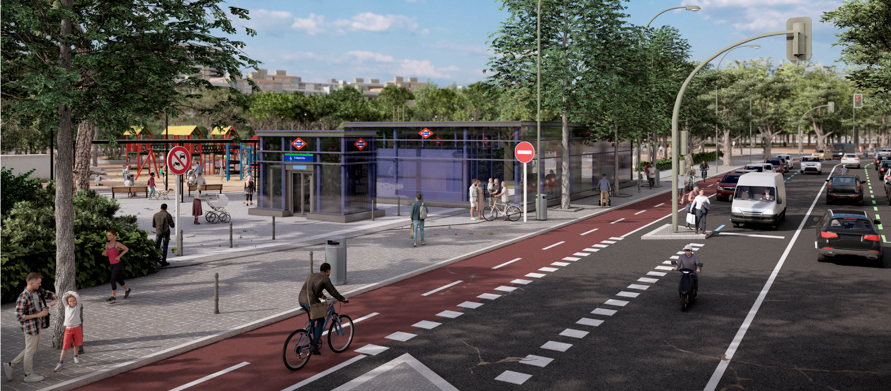
- 2 newly built (Comillas and Madrid Río)
- 3 urban interchanges with other lines (Palos de la Frontera, Atocha, and Conde de Casal)
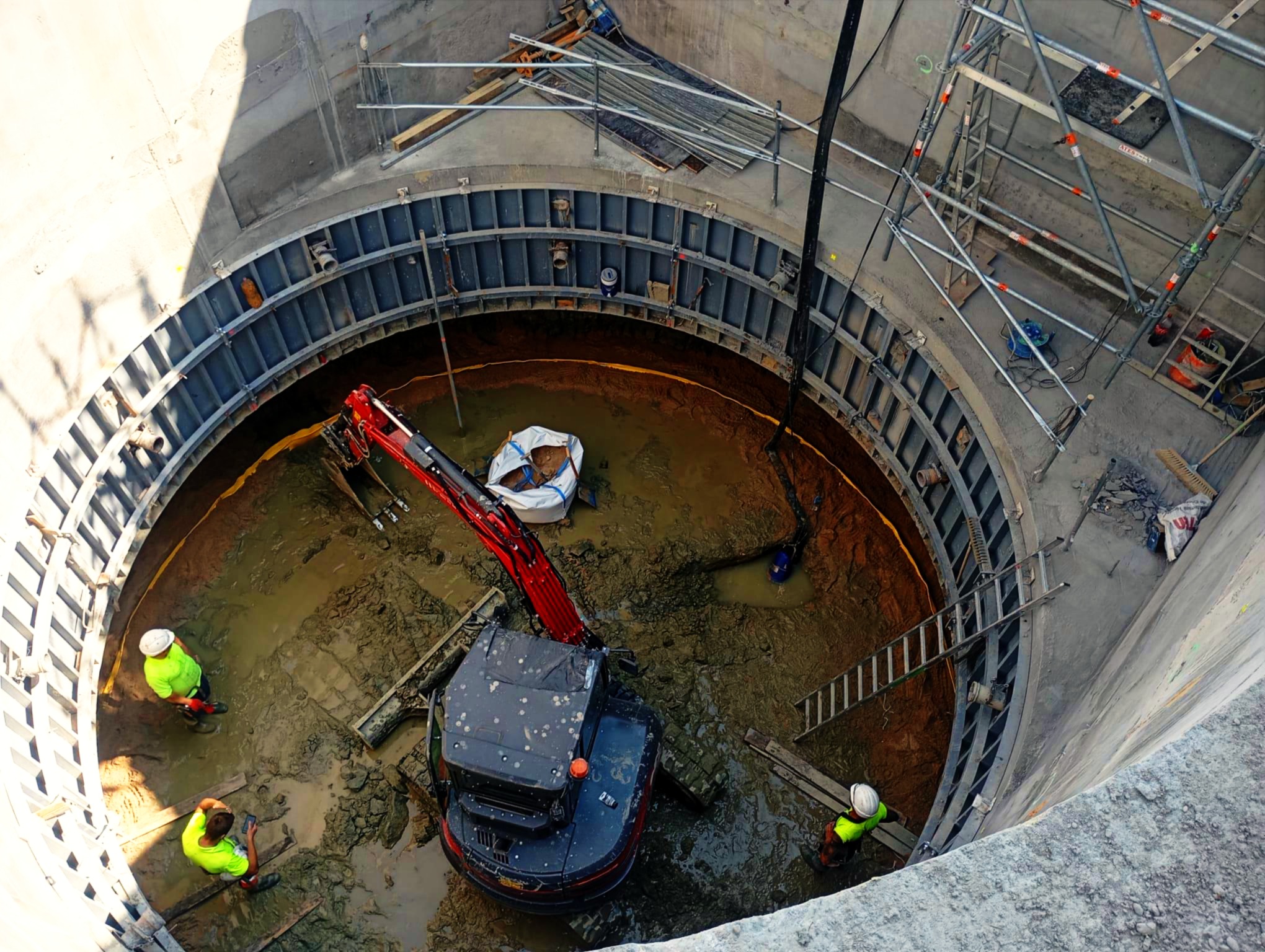
- 13 shafts (ventilation, pumping, and emergency exits)
- 6.6 km of new metro line
- 5.23 km excavated with a tunnel boring machine (TBM)
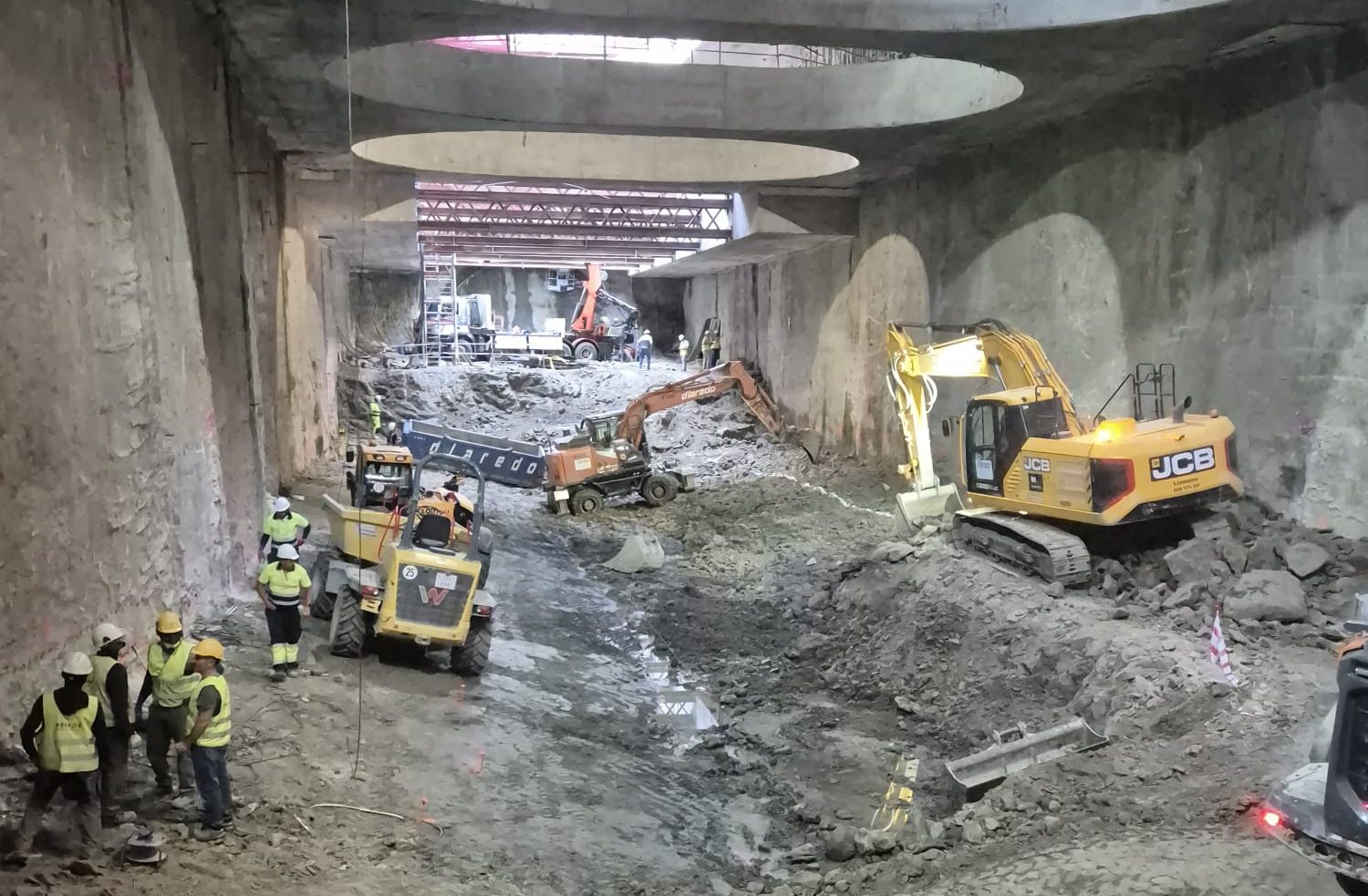
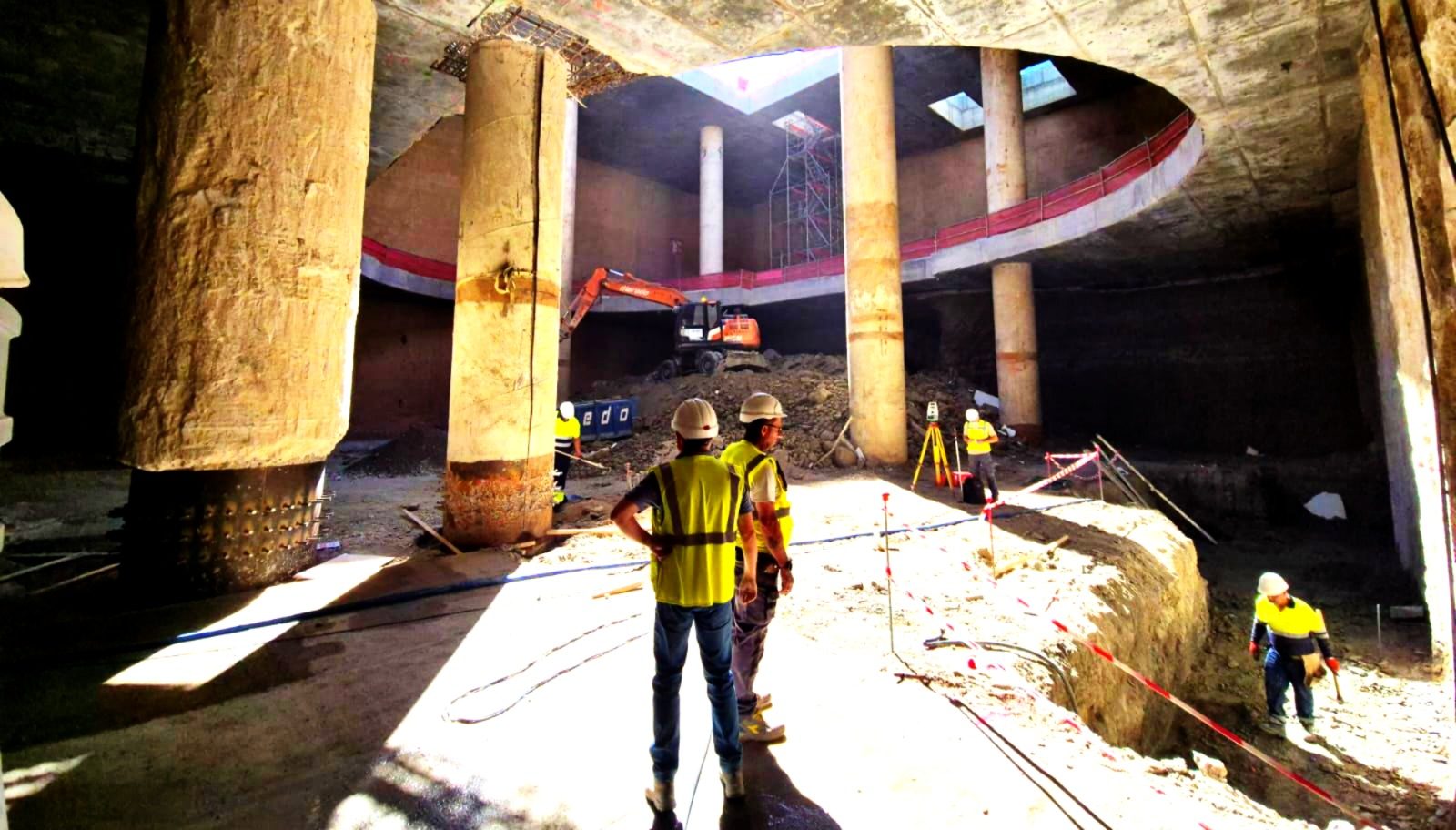
- 679 m excavated using the Madrid method
- 720 m constructed between diaphragm walls (stations)
Once completed, Line 11 will connect Cuatro Vientos with Valdebebas, linking key points such as Atocha Station and Terminal 4 of Adolfo Suárez Madrid‑Barajas International Airport.
For the construction of this first section (Plaza Elíptica – Conde de Casal), more than 210,000 m³ of concrete will be used—equivalent to 84 Olympic‑size swimming pools—and 32,000 tonnes of steel, approximately four times the weight of the Eiffel Tower structure. In addition, over 1 million cubic meters of earthworks will be carried out, enough to fill two football stadiums the size of the Santiago Bernabéu.
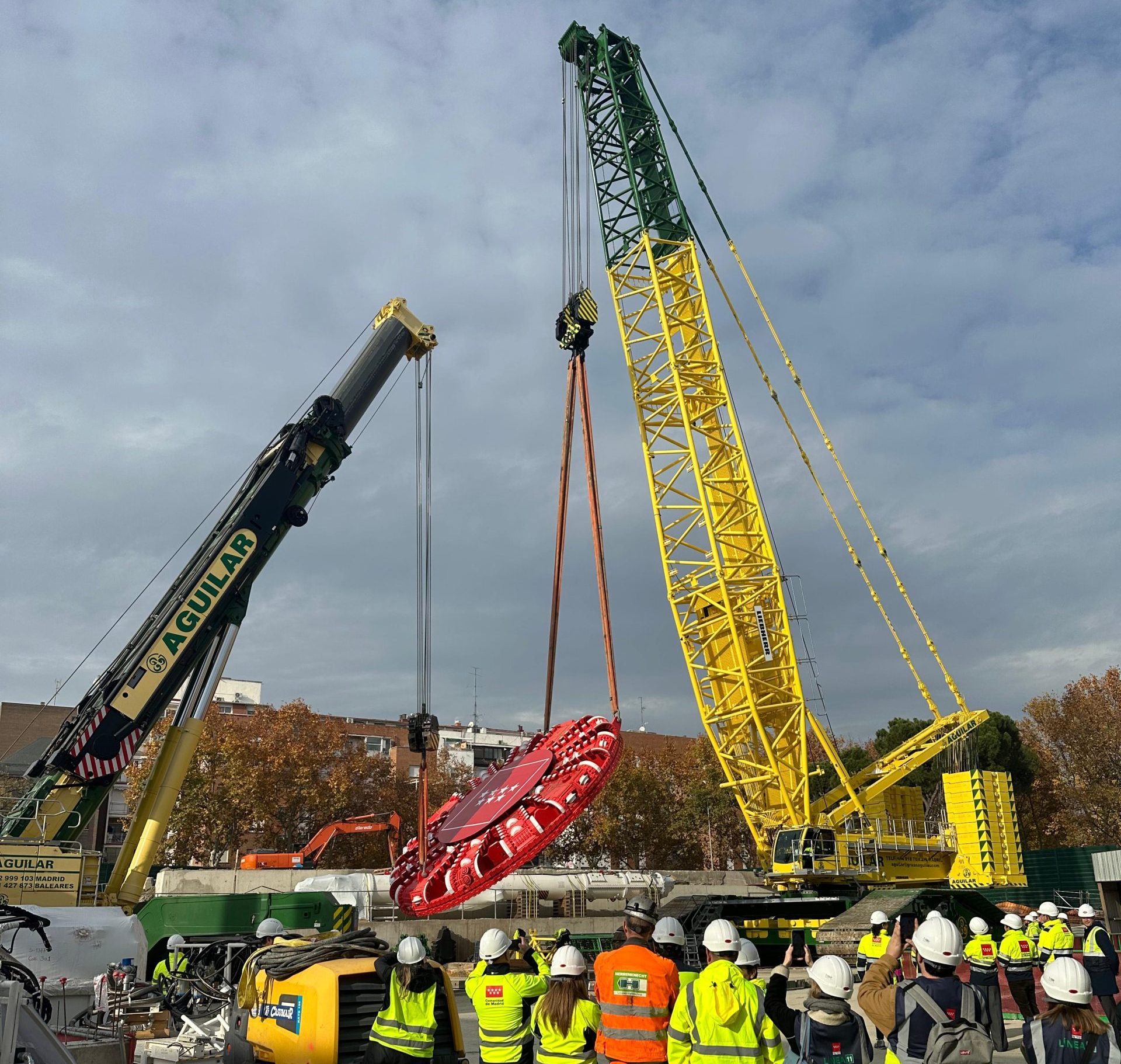
To excavate the more than 5 km of new tunnel, the TBM “Mayrit” will be used. Named after the original Arabic name for Madrid, Mayrit is an EPB (Earth Pressure Balance) tunnel boring machine, specifically designed for the geotechnical and geological conditions of the project. It is an engineering milestone, measuring 98 meters in length and weighing 1,500 tonnes, built over the past 20 months, and capable of excavating up to 15 meters per day.
With the extension of Line 11, the regional government aims to improve north‑south connectivity for thousands of citizens, facilitating travel for users who currently rely on Line 6. It is estimated that, in the coming decade, Line 11 will increase its daily demand by more than 75,000 passengers, contributing to the broader objective of reducing 90% of emissions by 2050 through a smart, sustainable, and efficient public transport system.